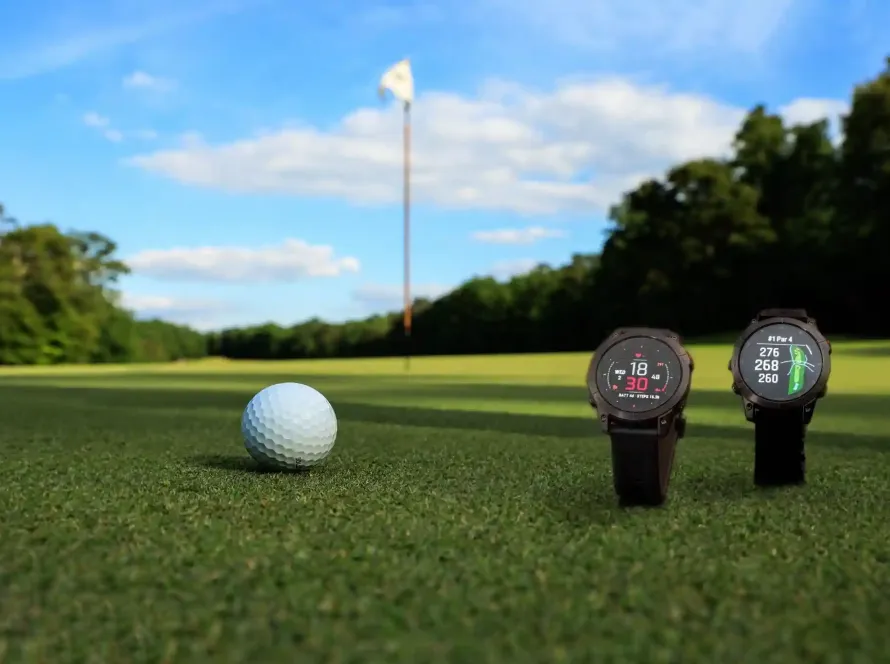
Golf is often described as one of the most mentally challenging and technically demanding sports in the world. At first glance, it may appear simple because players only need to hit a small ball toward a hole. However, experienced golfers understand that every shot in golf requires a completely different approach. Putting demands precision and patience, chipping depends on touch and control, while driving focuses on power, timing, and distance. This is exactly why professional golf tips vary significantly depending on the type of shot being played. Many beginner golfers make the mistake of practicing every swing the same way without understanding the unique mechanics behind each skill. Modern golf coaches repeatedly explain that mastering golf requires balance across all areas of the game rather than focusing only on one strength.
The modern game of golf has evolved dramatically during the last decade. Launch monitors, swing analytics, biomechanics research, and AI-powered training systems have completely changed the way golfers improve their performance. Professional players now use advanced technology to study swing path, spin rates, ball speed, and green-reading patterns. At the same time, amateur golfers continue searching for practical golf tips that help lower scores and improve consistency. Experts consistently explain that nearly sixty percent of total strokes during a round happen around or on the green. That statistic alone proves why putting and chipping are just as important as driving distance. Understanding how golf tips differ for each skill can completely transform the way players practice and approach the game.
Why Different Golf Skills Require Different Techniques
One of the most important lessons golfers eventually learn is that every shot serves a unique purpose on the course. A powerful driver swing designed for maximum distance cannot be used when playing a delicate chip shot near the green. In the same way, the calm and controlled movement required for putting differs completely from the athletic motion used for driving. Professional golf tips focus heavily on adapting mechanics, tempo, and mindset depending on the situation. Many coaches describe golf as a collection of separate mini-games rather than a single repetitive movement. Driving relies on athletic rotation and explosive speed, chipping requires finesse and creativity, while putting becomes almost entirely about touch, confidence, and green reading.
The beauty of golf comes from this complexity and variety. Players must constantly adjust their strategy depending on distance, course conditions, weather, and pressure situations. Golf tips for driving often focus on posture, swing path, and balance, while short-game instruction emphasizes feel and precision. This diversity keeps the game mentally engaging and challenging for players at every skill level. Many professional golfers spend years refining each part of their game separately because success in one area does not automatically guarantee success in another. Understanding the differences between putting, chipping, and driving helps golfers create smarter practice routines and develop a more balanced skill set overall.
Understanding the Importance of Driving in Golf
Driving is usually the first shot played on most holes and often sets the tone for the entire round. A strong drive creates better scoring opportunities by placing the ball closer to the green and improving approach shot angles. Poor driving, on the other hand, can immediately create pressure and force players into difficult recovery situations. Modern golf tips place major emphasis on driving because distance has become increasingly valuable in professional golf. Advances in equipment technology and athletic training allow today’s players to hit the ball farther than ever before. Long drives reduce the difficulty of approach shots and can create significant strategic advantages during competition.
However, professional instructors repeatedly warn golfers that distance alone is not enough. Accuracy and consistency matter just as much as raw power. Many amateur players swing too aggressively and lose balance, causing slices, hooks, and poor contact. Effective golf tips for driving focus on creating smooth tempo, proper sequencing, and controlled rotation instead of simply trying to hit the ball harder. Launch monitor studies show that efficient energy transfer creates better distance than excessive effort alone. This explains why many professional golfers who are not physically large still produce incredibly long and accurate drives. Confidence also plays a major role during tee shots because fear and tension often destroy rhythm and timing.
Why Chipping Requires a Completely Different Approach
Chipping may appear easier than driving because the swing is shorter, but it is often far more delicate and technically demanding. A successful chip shot depends heavily on touch, creativity, and clean contact around the green. Unlike driving, where distance is prioritized, chipping focuses almost entirely on control and precision. The goal of most chip shots is to place the ball close enough to the hole for an easy putt afterward. This means golfers must carefully judge landing spots, roll distance, green speed, and grass conditions. Professional golf tips for chipping often emphasize visualization and feel more than aggressive mechanics.
The technique used for chipping differs dramatically from the driver swing. Golfers generally use a shorter backswing, limited wrist movement, and quieter body rotation. Many instructors recommend keeping more weight on the lead foot to encourage solid contact with the ball. One of the most common mistakes beginners make is trying to scoop the ball into the air instead of trusting the club’s loft. This usually leads to poor contact and inconsistent shots. Effective golf tips teach players to strike down slightly and allow the clubface to create natural elevation. Chipping also requires adaptability because every lie around the green behaves differently. Tight fairway grass, thick rough, wet turf, and downhill slopes all demand slight technique adjustments.
Why Putting Is the Most Precise Skill in Golf
Putting is often considered the true scoring skill in golf because it directly determines how efficiently players finish each hole. Even golfers who drive the ball exceptionally well can struggle to score if their putting is inconsistent. Professional tournaments are frequently decided on the greens rather than from the tee box. Unlike driving, putting involves very little physical force, but it places enormous pressure on concentration and precision. A tiny alignment mistake can completely miss the hole, even from short distances. This is why many golf tips for putting focus heavily on routine, confidence, and mental stability instead of complicated mechanics.
Reading greens correctly is one of the hardest skills in golf. Players must evaluate slopes, grain direction, moisture, and green speed before every putt. Experienced golfers often develop this ability through years of observation and repetition. Putting strokes themselves should feel smooth and controlled rather than aggressive. Many instructors compare putting to a pendulum motion where the shoulders guide the club naturally. One reason golfers struggle with putting is because they become tense under pressure and lose rhythm. Modern golf tips increasingly include breathing exercises, visualization techniques, and sports psychology concepts to improve performance on the greens. Confidence often influences putting success just as much as technical ability.
How Practice Differs for Putting, Chipping, and Driving
Each area of golf requires specialized practice methods because the physical and mental demands are completely different. Driving practice often focuses on mechanics, body rotation, swing path, and launch conditions. Golfers may use launch monitors or video analysis to study ball flight and improve efficiency. Modern golf tips recommend shorter but more focused driving sessions instead of mindlessly hitting hundreds of balls. Quality practice usually creates better improvement than excessive repetition without purpose. Players who understand their swing mechanics tend to make faster progress and develop more consistent ball striking.
Short-game practice, however, focuses much more on feel, touch, and creativity. Chipping drills often involve experimenting with different clubs, trajectories, and landing spots around the green. Golfers learn how the ball reacts from various lies and conditions through repetition and observation. Putting practice typically emphasizes alignment, tempo, and distance control. Many professional golfers spend more time practicing putting than driving because putting influences scoring so heavily. Effective golf tips encourage players to create balanced practice routines rather than focusing exclusively on long shots. This balanced approach often leads to lower scores and greater confidence during real rounds.
Why Amateur Golfers Often Practice the Wrong Way
Many amateur golfers naturally gravitate toward practicing driving because long shots feel exciting and visually impressive. Driving ranges are entertaining and provide instant feedback through visible distance. However, scoring statistics consistently prove that short-game performance has a greater impact on overall scores for most recreational players. Professional coaches frequently explain that amateur golfers lose far more strokes through poor chipping and putting than through lack of driving distance. This is one of the most repeated golf tips in modern instruction because many players continue neglecting the areas that matter most.
Another common problem is practicing without structure or purpose. Many golfers simply hit balls repeatedly without focusing on technique, consistency, or realistic course situations. Effective golf tips encourage players to practice strategically with clear goals and measurable improvement targets. Golf is not just about physical mechanics but also decision-making, emotional control, and adaptability. Players who develop balanced skills across driving, chipping, and putting usually improve much faster than those who obsess over only one aspect of the game. Understanding how each skill contributes to scoring can dramatically change the effectiveness of practice sessions.
The Mental Side of Golf Performance
Golf differs from many other sports because players spend large amounts of time thinking between shots. Mental discipline therefore plays a major role in overall performance. Driving requires confidence and commitment because fear often creates tension and poor swings. Chipping demands patience and creativity, especially after mistakes or missed greens. Putting tests emotional control more than almost any other golf skill because pressure increases dramatically near the hole. Professional golf tips increasingly include mindfulness techniques, breathing exercises, and focus training because mental strength influences consistency at every level of the game.
Sports psychologists who work with professional golfers explain that emotional reactions can directly affect physical mechanics. Anxiety tightens muscles, disrupts tempo, and reduces coordination. This is why many successful players rely heavily on pre-shot routines to create calmness and consistency. Effective golf tips often emphasize trusting preparation instead of overthinking technique during competition. The best golfers learn how to stay mentally composed regardless of pressure or previous mistakes. Developing this mental resilience can significantly improve performance in putting, chipping, and driving alike.
The Future of Golf Training and Improvement
Technology continues transforming golf instruction at an incredible pace. Launch monitors now provide instant data about club speed, ball spin, launch angle, and swing path. Advanced putting systems analyze stroke consistency and alignment with remarkable precision. AI-powered coaching platforms allow golfers to receive personalized instruction remotely through video analysis and motion tracking. These innovations make professional golf tips more accessible than ever before for amateur players worldwide. Even beginners can now study swing mechanics using tools that were previously available only to elite professionals.
Despite all these technological advancements, the core principles of golf remain unchanged. Putting still requires touch and confidence, chipping still depends on creativity and precision, and driving still relies on timing and balance. Technology can accelerate learning, but experience and practice remain essential for mastery. The most effective golf tips combine modern data-driven insights with traditional fundamentals developed through years of playing experience. As the game continues evolving, golfers who embrace balanced improvement across all skills will likely experience the greatest long-term success.
Final Thoughts
Golf tips differ for putting, chipping, and driving because each skill serves a completely different purpose within the game. Driving emphasizes power, athletic movement, and strategic positioning from the tee box. Chipping focuses on touch, finesse, and creativity around the greens. Putting demands patience, confidence, and exceptional precision under pressure. Understanding these differences helps golfers practice more effectively and improve their scoring potential significantly. Instead of treating golf as one repetitive motion, successful players learn to adapt their mechanics, tempo, and mindset depending on the shot they face.
The beauty of golf lies in its endless complexity and variety. Every round presents new challenges, conditions, and mental tests that force players to think strategically. Golfers who balance driving strength with short-game consistency often experience the greatest long-term improvement. Modern golf tips continue evolving through technology, biomechanics, and sports psychology, but the foundation of success remains the same. Consistent practice, emotional discipline, and patience are still the keys to mastering putting, chipping, and driving. Players who embrace all aspects of the game usually enjoy both lower scores and a deeper appreciation for golf itself.
FAQs
Why are putting and driving techniques so different in golf?
Putting and driving require completely different mechanics because they serve unique purposes during a round. Driving focuses on power, distance, and athletic rotation, while putting depends on touch, alignment, and precision. Professional golf tips emphasize adapting tempo, posture, and mindset depending on whether players are hitting long tee shots or delicate putts.
Which golf skill helps lower scores the fastest?
Most professional coaches believe short-game improvement lowers scores fastest for amateur golfers. Better chipping and putting help players save strokes consistently around the green. While long driving can create advantages, poor putting often prevents good scoring. This is why modern golf tips strongly emphasize practicing the short game regularly.
Why do golfers struggle mentally with putting?
Putting creates intense pressure because tiny mistakes can completely miss the hole. Golfers often become tense and lose confidence under pressure situations. Many professional golf tips focus on breathing, routine, and emotional control because mental calmness influences putting consistency just as much as technical skill on the greens.
How often should golfers practice putting, chipping, and driving?
Balanced practice is usually the most effective approach for long-term improvement. Many instructors recommend spending more time on putting and chipping because those skills directly influence scoring. Driving still matters for positioning and confidence, but professional golf tips consistently show that strong short-game performance lowers scores more consistently.
Can technology really improve golf performance?
Yes, modern technology helps golfers analyze swing mechanics, ball flight, and putting strokes more accurately than ever before. Launch monitors, motion sensors, and AI coaching systems provide detailed feedback that accelerates improvement. However, even the best golf tips still require practice, patience, and experience to create lasting performance gains.