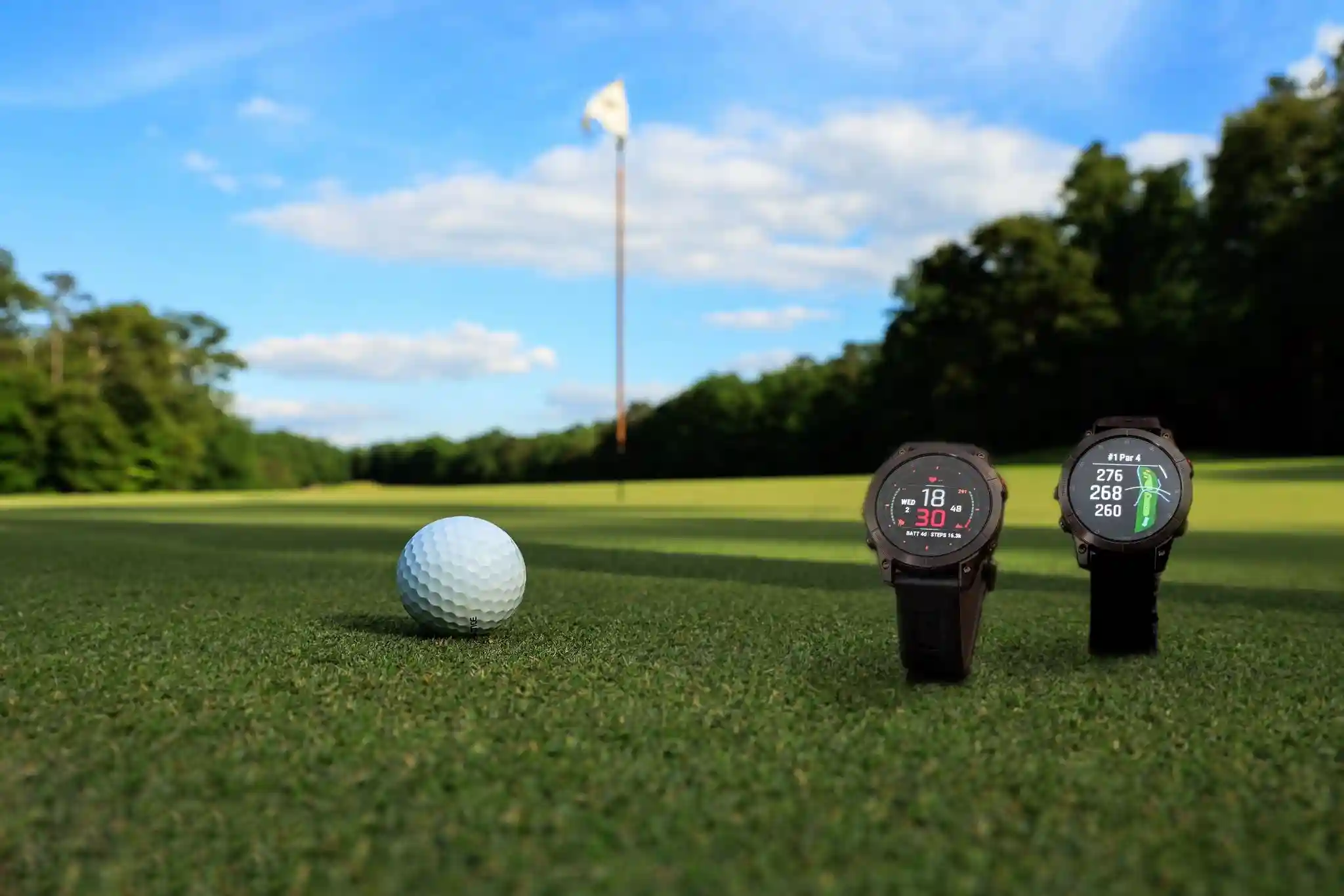
Golf has always been a game of precision, consistency, and fine-tuned mechanics. But even experienced players hit a plateau when traditional practice alone isn’t enough to identify subtle flaws or track progress accurately. That’s where wearable golf technology comes in.
Modern devices provide real-time swing tracking and detailed performance data, giving golfers actionable insights that simply weren’t possible a decade ago. From understanding swing tempo to measuring ball flight metrics, wearables make practice smarter and more efficient.
This guide dives into the types of wearable devices, explains how to interpret their performance metrics, offers tips for integrating them into structured practice routines, and provides expert advice on maximizing your improvement. By the end, you’ll understand how technology can elevate your game without replacing fundamentals.
Why Wearable Golf Technology Matters
Traditional practice often relies on feel, intuition, or limited feedback. You might hit dozens of balls on the range and feel improvement, but it’s difficult to know which adjustments are working or which errors persist. Small swing flaws can go unnoticed, and inconsistent observation can slow progress.
Wearables solve this problem. These devices provide objective insights into swing mechanics, tempo, and shot performance. They measure things your eyes and intuition cannot, giving a clear picture of what’s happening at every stage of the swing.
Performance data also plays a major role in long-term skill development. It tracks progress over time, highlights patterns, and helps you set measurable goals. This kind of feedback is invaluable for serious golfers who want to improve efficiently rather than relying on repetitive practice with uncertain results.
Types of Wearable Golf Technology
The wearable golf market has grown rapidly, offering a variety of tools for different purposes. These devices generally fall into four categories: smartwatches, swing sensors, GPS-enabled gloves, and biofeedback wearables.
Choosing the right device depends on your goals, the type of feedback you need, and how you plan to integrate it into your practice.
Swing Tracking Devices
Swing tracking devices are designed to capture the mechanics of your swing in real time. They often attach to the club or are worn on the wrist. Metrics such as swing speed, swing plane, tempo, and backswing length are measured automatically.
Popular examples include sensors that attach to the club grip and send data to a smartphone app. These apps break down every shot, provide video overlays, and sometimes compare your swing to professional models. For instance, a swing trainer can show if your tempo is off or if your club path is outside the ideal plane.
These devices are especially valuable for experienced golfers who are working on fine-tuning mechanics rather than learning the basics. By isolating specific faults, you can make focused adjustments and see immediate results.
Performance Data Wearables
Performance-focused wearables go beyond swing tracking. They provide analytics on shot dispersion, ball speed, club path, and consistency. This kind of detailed data is critical for identifying patterns and pinpointing weaknesses.
For example, if your shots consistently fade or hook in the same spot, data from a performance wearable can reveal the cause—whether it’s a swing plane issue, grip problem, or setup misalignment. These insights allow you to target practice sessions effectively, focusing only on the areas that will yield the most improvement.
Some devices even track physical performance, monitoring heart rate, fatigue, or mobility during practice. By understanding how your body responds to repeated swings, you can optimize conditioning and reduce the risk of injury. Wearables now provide a holistic view of golf performance, combining mechanical, strategic, and physical data.
Integrating Wearable Technology into Practice
Having the right devices is just the first step. To get real benefits, wearable golf technology needs to be integrated into a structured practice routine.
Start by setting clear objectives for each session. Decide whether you are focusing on swing tempo, consistency, or shot accuracy. Wearables provide immediate feedback, allowing you to test adjustments in real time and reinforce the correct mechanics.
It’s also important to combine tech insights with traditional drills. Use alignment sticks, mirror work, or hitting routines alongside your wearable feedback. This ensures that improvements carry over into real-game scenarios. A session that blends tech-guided corrections with feel-based practice accelerates skill development more effectively than relying on one method alone.
Finally, use the performance data to set measurable goals. Track swing speed, shot dispersion, or club path over time. Adjust practice intensity based on progress, ensuring that each session builds on the previous one rather than repeating the same patterns mindlessly.
Interpreting Data for Smarter Practice
Collecting data is one thing; interpreting it correctly is another. Many golfers become overwhelmed by the sheer volume of metrics these devices provide. Knowing which metrics matter for your goals is key.
Focus on tempo, swing path, speed, and consistency. Tempo influences timing and rhythm, swing path affects shot direction, speed correlates with distance, and consistency underpins overall performance. By prioritizing these metrics, you can avoid distractions from less critical data points.
Identifying trends is more important than obsessing over individual swings. Look for patterns in your shot data—how often do hooks occur, or where does your ball consistently land? Outliers should be noted but not overemphasized; they often reflect anomalies rather than true flaws.
The ultimate goal is actionable insights. For instance, if your swing speed is inconsistent, use drills targeting rhythm and tempo. If shot dispersion is wide, analyze your club path and setup alignment. By translating wearable data into targeted drills, you make every practice session count.
Common Pitfalls and How to Avoid Them
Even the most advanced wearables can be misused. A common mistake is over-reliance on technology. Devices are tools, not replacements for fundamentals. Golfers who focus solely on metrics may lose the feel and natural rhythm that are crucial for consistency.
Misinterpreting data is another pitfall. Not every variation in swing speed or ball speed represents a problem. Minor fluctuations are natural and often resolve with consistent practice. Avoid adjusting your swing based on one or two outlier readings.
Finally, balance is key. Combine tech use with traditional coaching, mirror work, or feel-based adjustments. Technology should enhance practice, not dominate it. When used thoughtfully, wearables complement existing skills rather than replacing them.
Expert Tips for Maximizing Improvement with Wearables
To get the most out of wearable golf technology, rotate between different devices. Swing trackers, putting sensors, and physical performance wearables each target different aspects of your game. Alternating devices ensures a balanced improvement approach.
Review your performance data regularly. Identify weaknesses, set specific targets, and plan practice sessions around those goals. For example, focus one session on improving swing path while another emphasizes tempo control.
Combine wearable feedback with mental training. Visualization exercises, pre-shot routines, and focus drills amplify the benefits of data-driven practice. Mental consistency ensures that mechanical improvements translate to the course.
Finally, maintain discipline. Structured sessions with clear objectives, supported by wearable data, lead to measurable improvement. The technology is only as effective as the golfer using it, so practice intentionally and stay consistent.
FAQs
1. What is wearable golf technology, and how can it help my game?
Wearable golf technology includes devices like swing sensors, GPS gloves, and smartwatches. They provide real-time swing tracking and performance data, helping golfers identify flaws, track progress, and practice more effectively.
2. How does swing tracking improve my practice sessions?
Swing tracking measures tempo, club path, speed, and plane. Showing real-time feedback, it allows you to correct mistakes immediately, reinforcing proper mechanics and accelerating skill development during focused practice.
3. Can wearable devices replace a golf coach?
No. Wearables provide valuable data, but fundamentals and feel still matter. Combining technology with coaching or self-analysis ensures that feedback is interpreted correctly and translates to real-world improvement on the course.
4. Are performance data wearables suitable for all golfers?
Yes, but they are most effective for experienced golfers who understand swing mechanics. Beginners may benefit from simpler tools, while advanced players can use detailed metrics to fine-tune every aspect of their game.
5. How should I integrate wearable data into my practice routine?
Use devices to identify weaknesses, then plan drills targeting those areas. Combine tech feedback with traditional practice, mental focus exercises, and consistent repetition to maximize improvement and measurable progress.