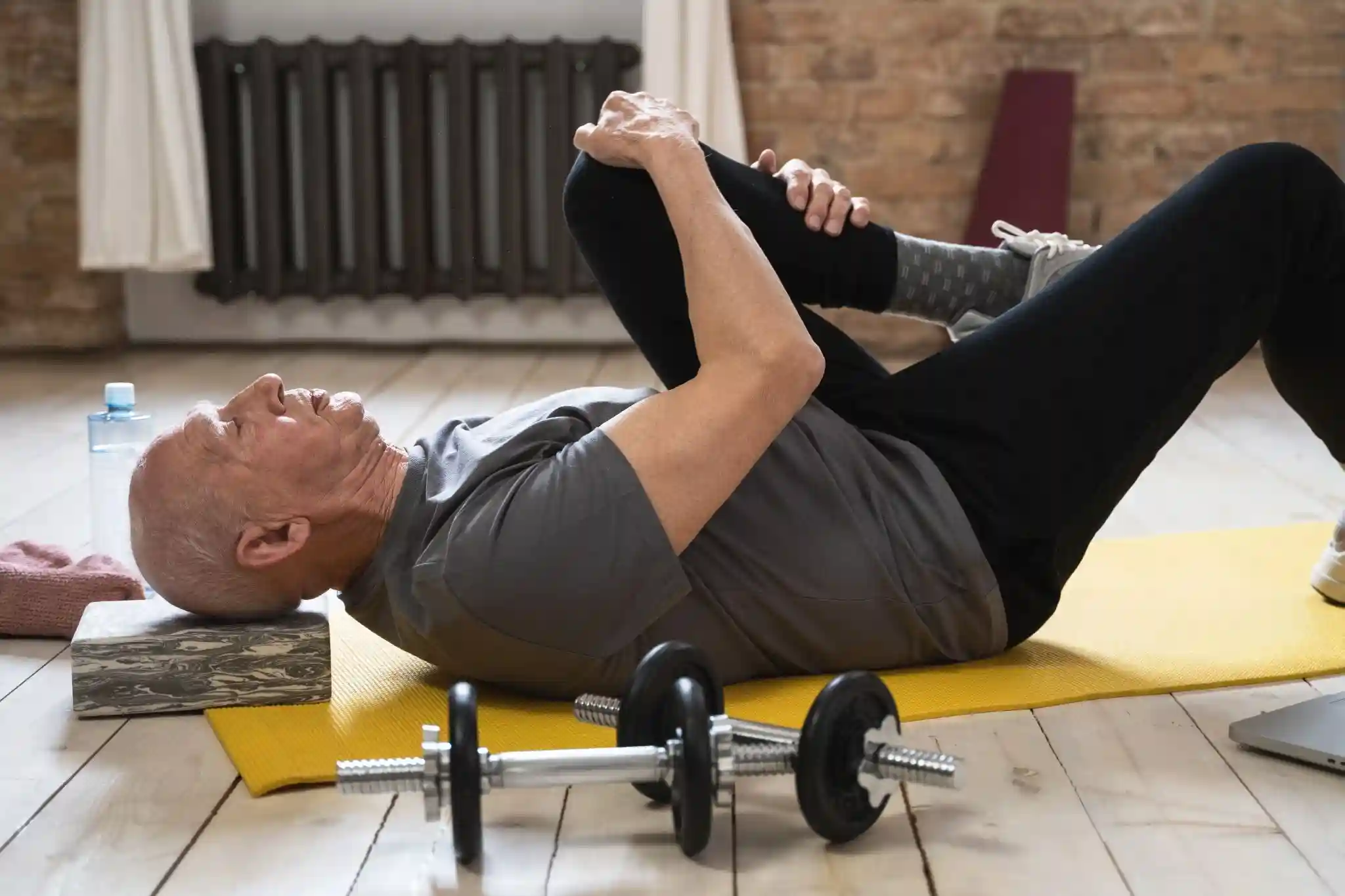
Fitness needs change with age. What worked in your 30s may not feel right later in life. Energy levels shift, joints become more sensitive, and recovery takes longer. This does not mean exercise should stop. It simply needs to be adjusted. Adaptive fitness workouts help seniors stay active without putting unnecessary stress on the body. The goal is not intensity but consistency. When workouts are designed with safety in mind, they become easier to maintain and more effective over time. Many seniors also notice improved sleep, better posture, and reduced stiffness when they follow a routine that respects their limits and builds gradually over time.
Understanding adaptive fitness workouts for seniors
Adaptive fitness workouts focus on making exercise suitable for individual needs. For seniors, this means reducing impact, improving control, and focusing on functional movements. These workouts are not about doing less. They are about doing what works best for the body at this stage. By adjusting movements and intensity, seniors can continue building strength and mobility. This approach supports long-term health while reducing the risk of injury. It also encourages consistency, which is the most important factor in maintaining long-lasting physical health and independence.
Common physical challenges in senior fitness
As the body ages, certain challenges become more noticeable. Mobility may decrease, making it harder to move freely. Balance can become less stable, increasing the risk of falls. Muscle mass may decline, leading to reduced strength. Recovery also takes longer, which means the body needs more time to heal after activity. Adaptive fitness workouts are designed to address these issues directly. They provide a safer way to stay active while improving overall function. Over time, these targeted improvements can help seniors regain confidence in movement and maintain daily independence more effectively.
Initial assessment before starting workouts
Evaluating mobility and flexibility
Before starting any routine, it is important to understand current abilities. Simple movements such as reaching, bending, or walking can reveal a lot about mobility. Adaptive fitness workouts begin with this awareness. Knowing what feels comfortable and what feels restricted helps create a safe starting point. This step also helps track future progress, as improvements in flexibility and ease of movement become clear indicators of success and better physical function.
Identifying medical limitations
Many seniors have conditions such as arthritis or joint pain. These factors must be considered when planning workouts. Adaptive fitness workouts take these limitations into account. This reduces the risk of discomfort and ensures that exercises support health instead of causing harm. Consulting a healthcare professional can provide additional clarity, helping to design a routine that aligns with medical advice and ensures long-term safety during physical activity.
Building a safe workout foundation
Starting slowly is one of the most important steps. The body needs time to adjust to new activity. Adaptive fitness workouts focus on controlled movements and proper form. This helps prevent strain and builds confidence. A strong foundation makes it easier to progress safely over time. Establishing a consistent schedule also plays a key role, as regular practice helps the body adapt gradually and reduces the likelihood of setbacks or injuries during exercise.
Adaptive fitness workouts for strength development
Low-impact strength training methods
Strength is essential for maintaining independence. Simple exercises using body weight or resistance bands can be very effective. Adaptive fitness workouts use these methods to build muscle without putting pressure on joints. This approach keeps the body strong while staying safe. Over time, even small increases in resistance or repetitions can lead to noticeable improvements in strength, making daily tasks easier and less physically demanding.
Maintaining muscle without strain
The goal is not to lift heavy weights but to maintain steady progress. Slow and controlled movements are key. Adaptive fitness workouts focus on quality rather than quantity. This reduces the risk of injury while still improving strength. Consistency in these movements helps preserve muscle mass, which is essential for maintaining balance, stability, and overall physical resilience as the body continues to age.
Improving balance and coordination
Balance is critical for daily life. Poor balance increases the risk of falls, which can have serious consequences. Exercises that focus on stability and coordination can make a big difference. Adaptive fitness workouts include simple movements that improve balance gradually. Over time, this builds confidence and reduces fear of movement. Improved coordination also enhances reaction time, which can help prevent accidents and make everyday activities safer and more manageable.
Flexibility and mobility training strategies
Flexibility keeps joints healthy and movements smooth. Gentle stretching can improve range of motion and reduce stiffness. Adaptive fitness workouts include stretches that are safe and effective for seniors. These movements help maintain comfort and make everyday tasks easier. Regular stretching also supports better posture and reduces muscle tension, which contributes to overall physical comfort and improved movement quality throughout the day.
Cardiovascular health through adapted workouts
Heart health remains important at every age. Low impact activities such as walking or light cycling can support cardiovascular fitness. Adaptive fitness workouts include these options to keep the heart strong without causing fatigue. Regular movement helps improve endurance and overall well being. Consistent cardio activity can also support better circulation, helping deliver oxygen and nutrients throughout the body more efficiently and improving energy levels.
Equipment choices for senior friendly workouts
The right equipment can make exercise safer and more comfortable. Resistance bands, chairs, and supportive mats are useful tools. Adaptive fitness workouts often rely on these items to reduce strain and improve stability. A safe environment also plays a role. Clear spaces and proper support reduce the risk of accidents. Investing in simple, reliable equipment can make workouts more enjoyable and encourage regular participation without unnecessary difficulty.
Progress tracking and gradual improvement
Progress does not always mean lifting heavier weights or moving faster. For seniors, improvement can be seen in better balance, increased flexibility, or reduced discomfort. Adaptive fitness workouts focus on these changes. Tracking progress helps maintain motivation and ensures that routines remain effective. Keeping a simple record of improvements can also boost confidence, as visible progress reinforces the value of consistent effort and dedication.
Psychological benefits of staying active
Exercise is not just about physical health. It also supports mental well-being. Staying active can improve mood, reduce stress, and increase confidence. Adaptive fitness workouts make exercise feel achievable, which encourages consistency. This positive experience helps build a healthy routine that lasts. Over time, regular activity can also improve focus and emotional stability, contributing to a more positive and balanced lifestyle overall.
Common mistakes seniors should avoid
One common mistake is trying to do too much too quickly. This can lead to injury or burnout. Another mistake is ignoring pain. Discomfort should not be pushed aside. Adaptive fitness workouts focus on listening to the body and making adjustments when needed. Avoiding these mistakes helps maintain steady progress. Taking rest days when necessary also plays an important role in recovery and ensures long-term sustainability of the fitness routine.
Sustainability in senior fitness
The best workout routine is one that can be maintained over time. Consistency matters more than intensity. Adaptive fitness workouts are designed to fit into daily life. They focus on realistic goals and gradual improvement. This makes it easier to stay active and maintain health in the long run. Creating enjoyable routines also increases adherence, making exercise feel like a natural and rewarding part of everyday living.
Expert tips for maximizing results safely
Patience is key in any fitness journey, especially for seniors. Progress may feel slow, but it is still progress. Adaptive fitness workouts work best when done regularly. Seeking guidance from professionals can also help ensure proper technique and safety. Small, consistent efforts lead to meaningful results over time. Staying motivated through achievable goals and positive reinforcement helps maintain long-term commitment and encourages continued improvement.
Conclusion
Fitness does not have to be difficult or risky for seniors. With the right approach, it can be both safe and rewarding. Adaptive fitness workouts provide a practical way to stay active while respecting the body’s needs. By focusing on balance, strength, and flexibility, seniors can maintain independence and improve their quality of life. The key is to stay consistent, listen to the body, and enjoy the process of staying active. Over time, this balanced approach supports both physical and mental health, leading to a more active and fulfilling lifestyle.