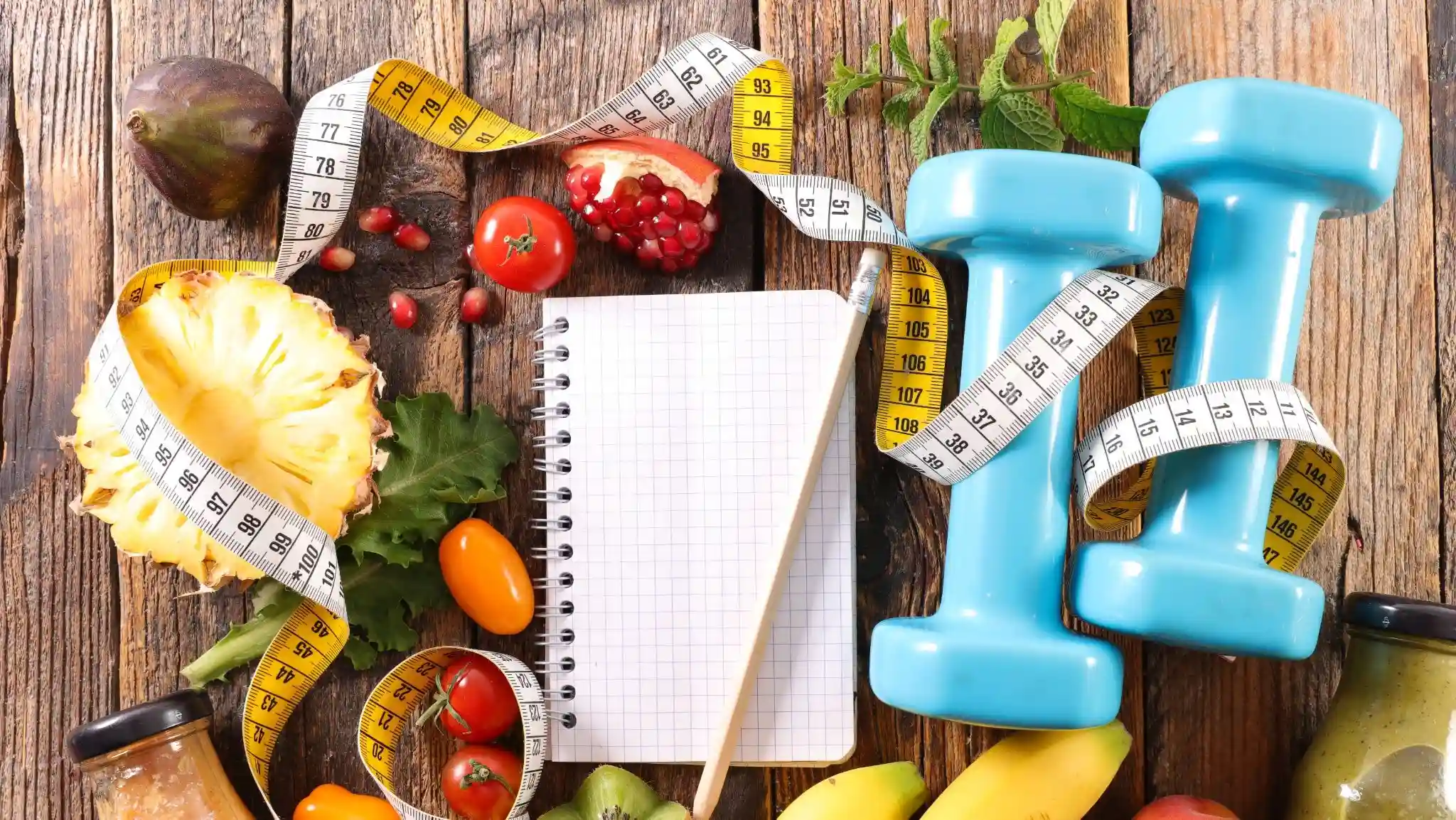
The difference between a good round and a great round often comes down to preparation. And one of the most overlooked elements? Nutrition before the round. Whether you’re playing golf, tennis, or any endurance sport, what you eat beforehand directly affects your energy levels, focus, and overall performance.
Proper pre-round nutrition isn’t just about filling your stomach. It’s about a smart fueling strategy tailored to your body, your metabolism, and the demands of your sport. Eating the right foods at the right time ensures steady energy, helps prevent fatigue, and keeps your concentration sharp from the first swing to the last hole.
In this guide, we’ll dive deep into meal timing, nutrient choices, hydration, and snack strategies, all designed to help you optimize your energy throughout the round. You’ll learn how to fuel smartly, avoid common mistakes, and personalize a plan that works for you.
Why Pre-Round Nutrition Matters for Performance
The human body is fueled by what you eat. Before a round, your energy stores are critical. Blood sugar stability plays a huge role in both physical performance and mental clarity. When blood sugar spikes and crashes, focus diminishes, swings become inconsistent, and fatigue sets in faster.
For experienced athletes, proper nutrition before a round isn’t just about eating anything. It’s about creating sustained energy levels to carry you through long sessions. Poor choices—like heavy meals or high-sugar snacks—can cause sluggishness or gastrointestinal discomfort.
Common mistakes include skipping meals, relying solely on caffeine, or underestimating the importance of balanced nutrition. Athletes often assume a pre-round coffee or sugary bar is enough, but without the right combination of carbohydrates, protein, fats, and hydration, performance can dip quickly. A well-planned pre-round nutrition strategy addresses these pitfalls and sets the stage for consistent, high-level performance.
Timing Your Pre-Round Meals
When you eat is just as important as what you eat. Meal timing ensures energy is available when you need it most, while digestion doesn’t interfere with your movement. Experienced athletes know that eating too close to the start can cause bloating or sluggishness. Eating too early can leave you running low on energy halfway through your round.
Ideal Meal Windows
For most athletes, the sweet spot for a pre-round meal is 2–3 hours before the round. This allows enough time for digestion while providing sustained energy. Meals during this window should be balanced, with slow-digesting carbohydrates, moderate protein, and a small amount of healthy fats.
For quick fuel, a snack 30–60 minutes before the round can help top off energy stores. This should be light, easy to digest, and primarily carbohydrate-based. Think of a banana, a small smoothie, or a half-energy bar. The goal is a gentle boost without overloading your stomach.
Nutrient Choices for Sustained Energy
The foundation of any pre-round nutrition plan is the right combination of nutrients. The key is balance: carbs for energy, protein for muscle function, and fats for satiety and endurance.
Carbohydrates are your body’s preferred energy source. Complex carbs like oatmeal, brown rice, or whole-grain bread release energy slowly, keeping blood sugar stable and preventing mid-round slumps.
Protein supports muscle function and recovery, even during your round. Lean sources such as eggs, yogurt, or chicken help maintain strength and stabilize energy.
Healthy fats—think avocado, nuts, or olive oil—don’t spike blood sugar but provide a slow-burning energy source that keeps you feeling satisfied.
Electrolytes and micronutrients also matter. Sodium, potassium, and magnesium help regulate fluid balance and prevent fatigue. For long rounds in hot conditions, a small electrolyte drink can complement your hydration strategy without overloading on sugar.
Pre-Round Meal Examples
Here’s how these principles translate into real meals:
2–3 hours before your round:
-
Oatmeal topped with berries and a drizzle of nut butter.
-
Whole-grain toast with avocado and a poached egg.
-
Greek yogurt with granola and fruit.
30–60 minutes before your round:
-
A banana with a small handful of almonds.
-
Half an energy bar or bite-sized granola clusters.
-
A small smoothie with fruit and yogurt.
The goal is consistency. Test different foods in practice rounds so you know what works and avoid surprises on competition day.
Hydration and Electrolyte Management
Hydration is often underestimated. Even mild dehydration can reduce focus, slow reaction times, and make your muscles feel heavy. Water alone is often enough for shorter rounds, but for long or hot-weather sessions, electrolytes are crucial.
Look out for subtle signs of dehydration: dry mouth, headaches, or reduced energy levels. Incorporate electrolyte drinks strategically. Opt for low-sugar options, or dilute standard sports drinks to avoid spikes in blood sugar.
Hydration should be gradual. Start drinking small amounts well before your round, and continue sipping regularly during play. Combining water and electrolytes ensures your muscles and brain receive steady fuel for performance.
Smart Snacking During the Round
Long rounds can drain energy even with good pre-round meals. Smart, frequent snacks help maintain energy without bloating.
Portable, easy-to-digest options work best. Think fruit, small nut mixes, or bite-sized granola bars. Timing matters: aim for snacks every 4–6 holes or during breaks, rather than waiting until fatigue hits.
This strategy prevents energy crashes, keeps focus sharp, and allows you to finish strong. Experienced athletes often combine small carbohydrate snacks with hydration for optimal results.
Personalizing Your Pre-Round Nutrition
There is no one-size-fits-all solution. Your ideal pre-round nutrition plan depends on metabolism, body type, and experience. Some athletes perform better with more carbs; others prefer a balance skewed toward protein or fat.
Adjust carbohydrate load based on round length and intensity. A longer, more demanding session may require an extra snack or a larger pre-round meal. Keep track of what works by testing during practice rounds rather than on competition day.
Your fueling strategy should evolve with experience. Monitor energy levels, digestion, and mental clarity. Personalization ensures that your pre-round nutrition not only supports performance but also aligns with your body’s unique needs.
Conclusion
A thoughtful pre-round nutrition plan is one of the most effective tools for sustained energy and peak performance. Combining proper timing, balanced nutrients, hydration, and smart snacking can transform how you feel on the course or court.
Remember, there’s no substitute for testing and personalizing your strategy. By understanding how your body responds to different foods, fluids, and timing, you can consistently maintain energy, focus, and strength. A well-fueled athlete is a consistent, confident, and high-performing athlete—start planning your nutrition strategy today and see the difference in your next round.
FAQs
1. How early should I eat before a round?
Most athletes benefit from a full meal 2–3 hours before and a small snack 30–60 minutes prior for sustained energy.
2. What’s the best pre-round snack?
Light carbs like a banana, a small smoothie, or half an energy bar work best for topping off energy without causing bloating.
3. Should I drink electrolytes during a round?
Yes, especially in hot conditions or long rounds. Choose low-sugar options and sip gradually to maintain energy and hydration.
4. Can I eat the same pre-round meal every time?
Yes, but it’s wise to test it in practice rounds to ensure it supports your energy levels, focus, and digestion consistently.
5. How do I adjust nutrition for longer rounds?
Increase carbohydrate intake slightly and plan for small, frequent snacks during play to maintain energy levels without stomach discomfort.