Starting golf can feel overwhelming. There are rules, techniques, equipment choices, and mental pressure all at once. This is exactly where Golf Tips for Beginners make a difference. They simplify the learning curve and help you avoid habits that are hard to fix later. Golf is not just about power. It is about control, timing, and patience. Many beginners focus only on hitting the ball hard, but progress comes from mastering fundamentals step by step. With the right approach, improvement can be surprisingly fast and enjoyable.
Understanding the Basics of Golf Before You Play
Before stepping onto the course, it is important to understand how golf works. The game is played over a series of holes, and the goal is to complete each hole in as few strokes as possible. Each club in your bag has a specific purpose. Drivers are used for long distances, irons for mid-range shots, and putters for short shots on the green. Understanding scoring is also essential. Terms like par, birdie, and bogey describe performance on each hole. Knowing these basics helps beginners feel more confident and less confused during play.
Building the Right Golf Stance and Posture
Proper grip techniques for control
Your grip is the foundation of every shot. A weak grip reduces control, while a strong grip can affect accuracy. Beginners should focus on a neutral grip that allows flexibility and stability.
Body alignment and balance fundamentals
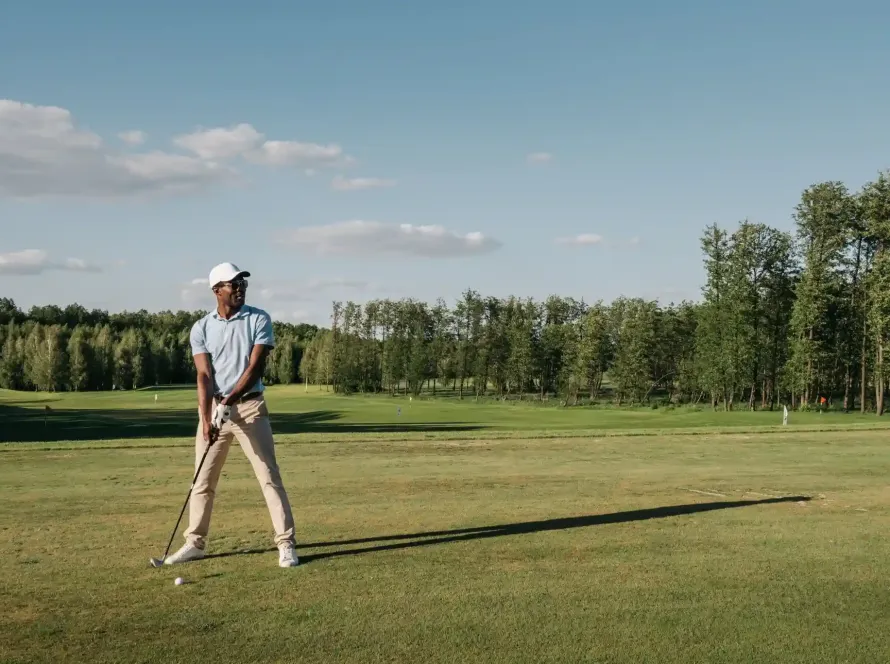
Proper alignment ensures the ball travels in the intended direction. Feet, hips, and shoulders should be aligned toward the target. Balance is equally important because unstable posture leads to inconsistent shots.
Common posture mistakes beginners make
Many beginners bend too much or stand too upright. Both can affect swing quality. A relaxed, athletic stance is ideal for consistent performance.
Swing Fundamentals Every Beginner Should Learn
A controlled swing is more important than a powerful one. Beginners often try to hit the ball too hard, which reduces accuracy. A smooth and steady motion creates better results. Follow-through is another key element. A complete swing does not stop at impact; it continues naturally toward the target. Timing and rhythm are essential. A rushed swing leads to mistakes, while a balanced rhythm improves consistency and distance control.
Choosing the Right Equipment as a Beginner
Selecting the right clubs makes a big difference in early progress. Beginner-friendly sets are designed to be more forgiving and easier to use. Comfort is also important. Proper shoes provide stability, and gloves improve grip. Beginners should avoid buying advanced equipment too early. Upgrading should come only after developing basic skills and understanding personal playing style.
Practice Techniques to Improve Faster
Practice is where real improvement happens. Driving ranges are great for repetition and swing development. However, on-course practice is equally important because it simulates real game situations. Repetition builds muscle memory, which helps create consistent swings without overthinking. Beginners should also focus on the short game early. Putting and chipping often determine scores more than long drives.
Golf Course Etiquette and Behavior
Respecting pace of play
Golf is a social game, and maintaining pace is important. Slow play affects everyone on the course. Beginners should be ready when it is their turn.
Safety rules on the course
Safety is critical. Never swing when others are close. Always be aware of your surroundings before hitting the ball.
Proper behavior around other players
Respect and focus are key parts of golf culture. Staying quiet during someone’s shot and avoiding distractions shows good etiquette.
Mental Strategies for Better Performance
Golf is as much mental as it is physical. Staying focused under pressure helps maintain consistency. Beginners often get frustrated after mistakes, but recovery is more important than perfection. Every shot is a new opportunity. Confidence builds over time through repetition and small improvements. Positive thinking helps reduce tension and improves decision-making on the course.
Common Beginner Mistakes in Golf
One of the most common mistakes is over-swinging. Trying to hit the ball too hard often reduces accuracy and control. Another issue is ignoring the short game. Many beginners focus only on driving distance but lose strokes near the hole. Poor club selection is also common. Using the wrong club for a distance can lead to unnecessary errors and frustration.
Improving Your Short Game Skills
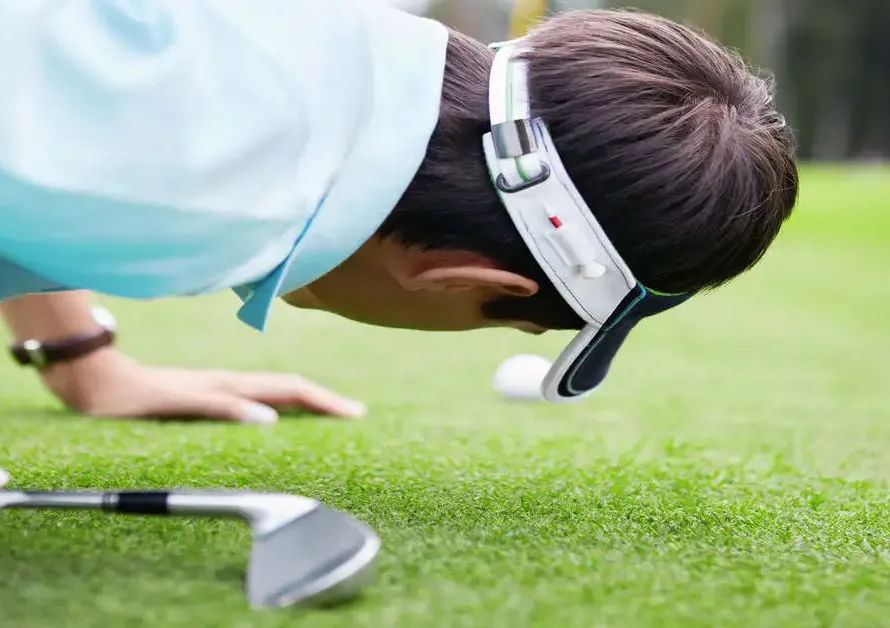
The short game has a major impact on overall performance. Putting requires precision and control rather than power. Reading the green correctly helps predict ball movement. Chipping is another essential skill that helps recover from difficult positions near the green. Distance control is key in both putting and chipping. Small adjustments make a big difference in scoring.
Fitness and Flexibility for Golf Performance
Physical fitness plays a supportive role in golf. Core strength improves swing stability and balance. Simple exercises like stretching and light strength training can improve flexibility. Flexibility reduces injury risk and helps maintain smooth movement during swings. Beginners often underestimate fitness, but it directly affects consistency and endurance on the course.
Conclusion
Improving in golf takes time, patience, and consistent practice. The best Golf Tips for Beginners focus on fundamentals like stance, swing, mindset, and short game skills. Instead of rushing progress, steady improvement leads to better long-term results. Golf becomes more enjoyable when beginners focus on learning rather than perfection. With the right habits, every round becomes a step toward better performance and greater confidence on the course.