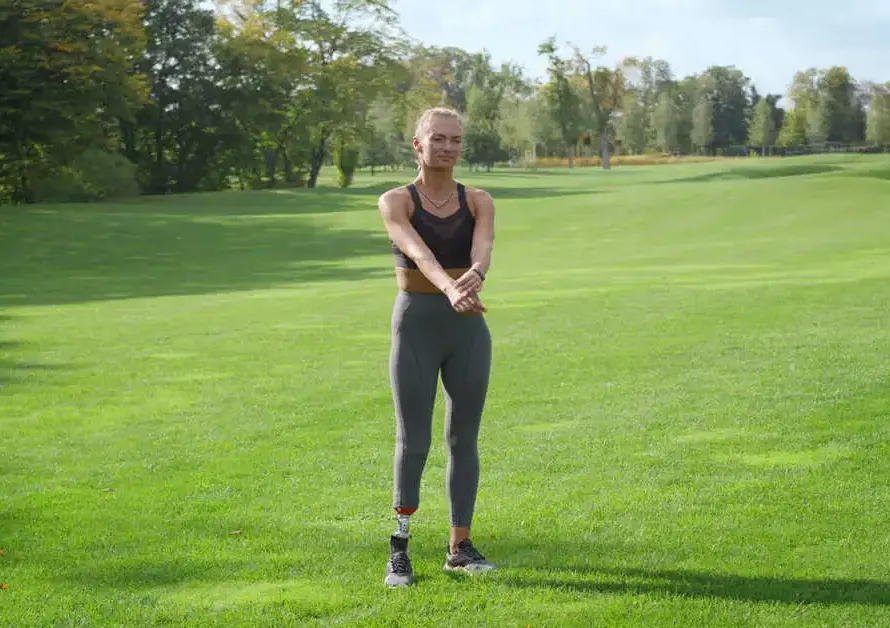
Starting a fitness journey can feel overwhelming. Beginners often face questions about which exercises to choose, how often to train, and how to avoid injury. It’s common to feel intimidated by gym equipment, classes, or even online routines. The key is to focus on workouts that are safe, effective, and help establish a solid foundation for long-term fitness.
Choosing the right beginner workouts ensures that your body adapts gradually while reducing the risk of burnout or injury. In this article, we’ll explore the most effective fitness workouts for beginners, including bodyweight exercises, cardio, light resistance training, and flexibility routines. You’ll also learn how to structure a balanced program, avoid common mistakes, and stay motivated as you progress.
Why Beginner Workouts Should Be Simple Yet Effective
When starting, it’s tempting to dive into intense routines or copy advanced programs. However, skipping foundational steps can lead to injuries and frustration. Simple workouts allow beginners to learn proper form, improve coordination, and gradually strengthen muscles and joints.
Consistency is more important than intensity at this stage. Regular sessions, even if short, are more effective than sporadic high-intensity workouts. Gradual progression ensures the body adapts safely. For example, starting with bodyweight squats before moving to weighted squats builds strength while protecting the knees. Similarly, walking or light jogging prepares the cardiovascular system before attempting more demanding running sessions.
Focusing on foundational movements, controlled technique, and manageable workloads sets the stage for long-term progress. This approach helps beginners avoid setbacks and fosters confidence in their abilities.
Key Types of Fitness Workouts for Beginners
Bodyweight Exercises
Bodyweight exercises are ideal for beginners because they require no equipment and teach proper form. Movements such as push-ups, squats, lunges, and planks engage multiple muscle groups simultaneously. They build strength, improve stability, and develop functional fitness, which translates to everyday activities.
For beginners, mastering these movements is more important than increasing repetitions quickly. For example, a beginner should aim for correct push-up form on the knees or against a wall before progressing to standard push-ups. Planks can start with 20-second holds and gradually extend as core strength improves.
Bodyweight training also builds a mental foundation, helping beginners understand how their bodies move and adapt to increasing demands over time.
Cardio Workouts
Cardiovascular training improves heart health, stamina, and calorie burn. Beginners can start with walking, light jogging, cycling, or swimming. Even short sessions of 15–20 minutes can have significant benefits when performed consistently.
High-intensity interval training (HIIT) is also suitable for beginners but should be approached cautiously. Alternating short bursts of activity with rest periods boosts metabolism and stamina without overloading the body. For instance, 20 seconds of brisk walking or light jogging followed by 40 seconds of rest, repeated for 10–15 minutes, can be highly effective.
Cardio not only enhances fitness but also improves mood and energy levels, making it easier for beginners to stick with a program.
Resistance and Light Weight Training
Introducing resistance training early in a fitness journey builds strength, increases bone density, and supports joint health. Dumbbells, resistance bands, and light kettlebells are excellent tools for beginners. Exercises like dumbbell rows, bicep curls, and resistance band squats help target major muscle groups safely.
Beginners should focus on learning proper technique and gradually increasing weight rather than lifting heavy immediately. A well-structured resistance program promotes muscle growth, enhances metabolism, and complements cardiovascular training. Alternating resistance days with cardio ensures balanced development without excessive fatigue.
Flexibility and Mobility Training
Flexibility and mobility are often overlooked by beginners, but they are critical for injury prevention and functional movement. Stretching, yoga, and dynamic warm-ups improve range of motion, posture, and overall movement efficiency.
Incorporating flexibility work before and after strength or cardio sessions helps muscles recover and reduces soreness. For example, dynamic leg swings before a jog and static hamstring stretches afterward can enhance performance and minimize the risk of strains. Mobility training also prepares the body for more advanced exercises in the future, supporting safe progression.
Structuring a Beginner-Friendly Fitness Routine
A balanced routine combines strength, cardio, and flexibility. Beginners can start with three to five sessions per week, each lasting 30–45 minutes. Strength training can be performed two to three times a week, alternating with cardio sessions. Flexibility and mobility exercises can be included in each session or as short, standalone routines on rest days.
Warm-ups are essential, even for brief workouts. Five to ten minutes of light movement or dynamic stretching prepares the muscles and joints for exercise. Similarly, cool-downs and stretching at the end of each session support recovery and reduce muscle stiffness.
Beginners should gradually increase intensity, duration, or resistance over several weeks, avoiding the temptation to rush into advanced routines. Keeping a simple schedule with achievable targets fosters consistency and long-term adherence.
Common Mistakes Beginners Should Avoid
Overtraining is a frequent error. Skipping rest days or performing excessive workouts can lead to fatigue, soreness, and even injury. Recovery is an integral part of any fitness program, particularly for beginners whose bodies are still adapting.
Neglecting proper form in favor of completing more repetitions or lifting heavier weights can also be detrimental. Poor technique increases injury risk and limits progress. Beginners should focus on mastering movements first and gradually increasing difficulty.
Another common mistake is setting unrealistic expectations. Fitness progress takes time, and expecting rapid results often leads to frustration and burnout. Emphasizing small, achievable milestones and celebrating progress fosters motivation and long-term success.
Tips to Stay Motivated and Consistent
Goal setting is crucial. Beginners should create specific, realistic targets, such as completing a set number of push-ups, walking a certain distance, or attending three workouts per week. Tracking progress visually, through journals or apps, reinforces commitment and highlights improvements.
Incorporating variety prevents boredom and keeps workouts engaging. Rotating between bodyweight exercises, cardio sessions, and resistance training ensures balanced development while maintaining interest.
Accountability helps maintain consistency. Beginners can partner with a friend, join beginner-friendly classes, or use fitness apps to monitor workouts and progress. Social support and external motivation can make the difference between sporadic exercise and lasting habits.
Conclusion
Fitness workouts for beginners should prioritize safety, effectiveness, and building a foundation for long-term progress. Starting with simple routines, gradually increasing intensity, and combining strength, cardio, and flexibility ensures balanced development and reduces the risk of injury.
Consistency, proper technique, and recovery are key. Beginners should focus on forming sustainable habits rather than chasing immediate results. By setting achievable goals, tracking progress, and maintaining motivation, anyone can start their fitness journey confidently and enjoyably. Over time, these foundational routines will prepare beginners for more advanced training while supporting overall health and well-being.
FAQs
1. How often should beginners exercise each week?
Beginners should aim for 3–5 sessions per week, mixing strength, cardio, and flexibility exercises while allowing rest days for recovery.
2. Is it better to start with cardio or strength training?
A balanced approach works best. Combining light cardio with strength training builds endurance, muscle, and confidence simultaneously.
3. How long should each beginner workout last?
Start with 30–45 minutes per session, including warm-ups and cool-downs, gradually increasing duration as fitness improves.
4. Can beginners do HIIT workouts safely?
Yes, if intensity is scaled appropriately. Short intervals and adequate rest prevent overexertion and reduce injury risk.
5. What is the most common mistake beginners make?
Neglecting form and overestimating capacity. Starting too fast or lifting too heavy can lead to injury and slow long-term progress.